Since 1816 · And long before
Seven centuries on a single spot.
Christian worship has been offered on this site since at least the early Middle Ages. The story of St George's is, in miniature, the story of Belfast itself.
Long before the city grew up around it, this corner of High Street was a place of prayer. Travellers fording the river Farset paused at the small medieval Chapel of the Ford to give thanks for safe passage. That chapel, recorded as far back as the thirteenth century, gave Belfast its earliest place of public Christian worship — and gave this site a vocation it has never lost.
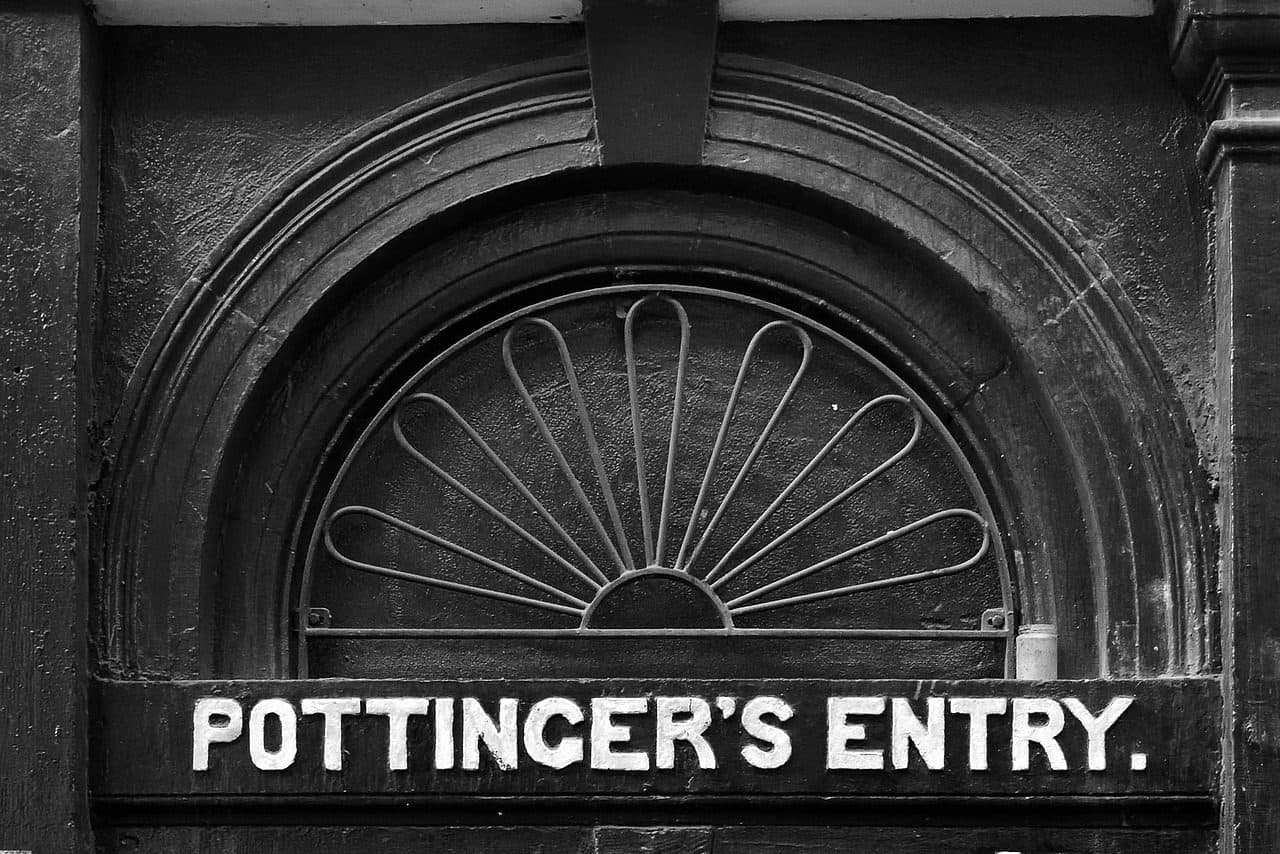
1613 · The Charter and the King
When King James I granted Belfast its charter in 1613, the chapel on this site was named within it. In 1690, on his way to the Boyne, King William III is said to have stopped here to pray — a moment that knit the parish into the wider Protestant story of these islands.
1813–1816 · The Building of a New Church
By the early nineteenth century the medieval chapel was no longer adequate for the growing town. Between 1813 and 1816 a new church was raised in its place: a confident, classical building designed in the Neoclassical idiom that was then the height of taste in Dublin and Belfast alike. It was consecrated to St George in 1816.
Architecture · Scrabo Sandstone and Classical Order
The church is built of warm Scrabo sandstone, quarried in nearby County Down, and follows the disciplined proportions of the Neoclassical tradition. Inside, a galleried nave and clear east-end sanctuary speak of the Anglican commitment to the spoken word and the sacrament held together — a building made for both preaching and the eucharist.
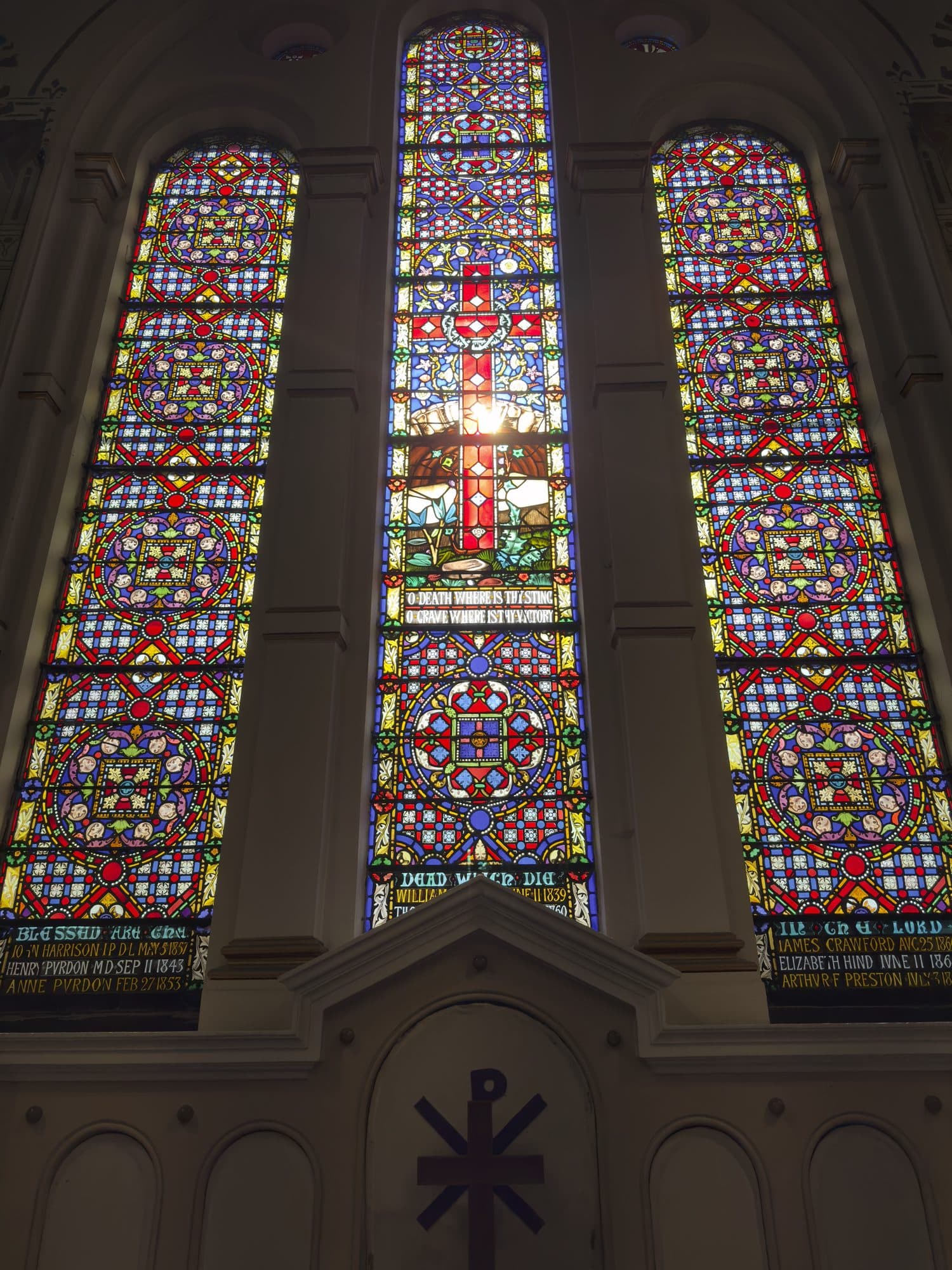
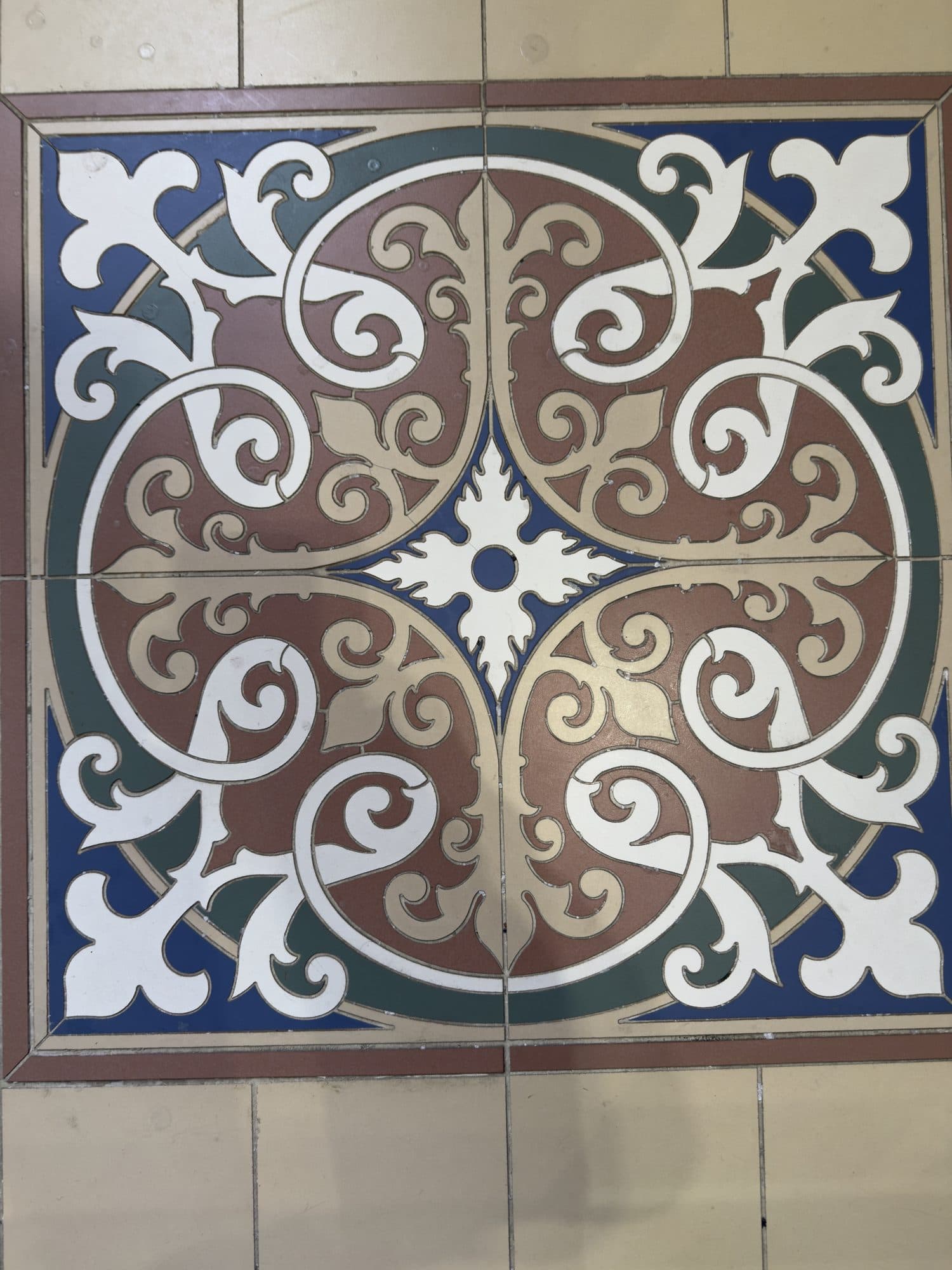
The portico is older than the church it adorns — a fragment of one of Ireland’s most ambitious eighteenth-century houses, given a second life on a Belfast street.
The Portico · A Curious Provenance
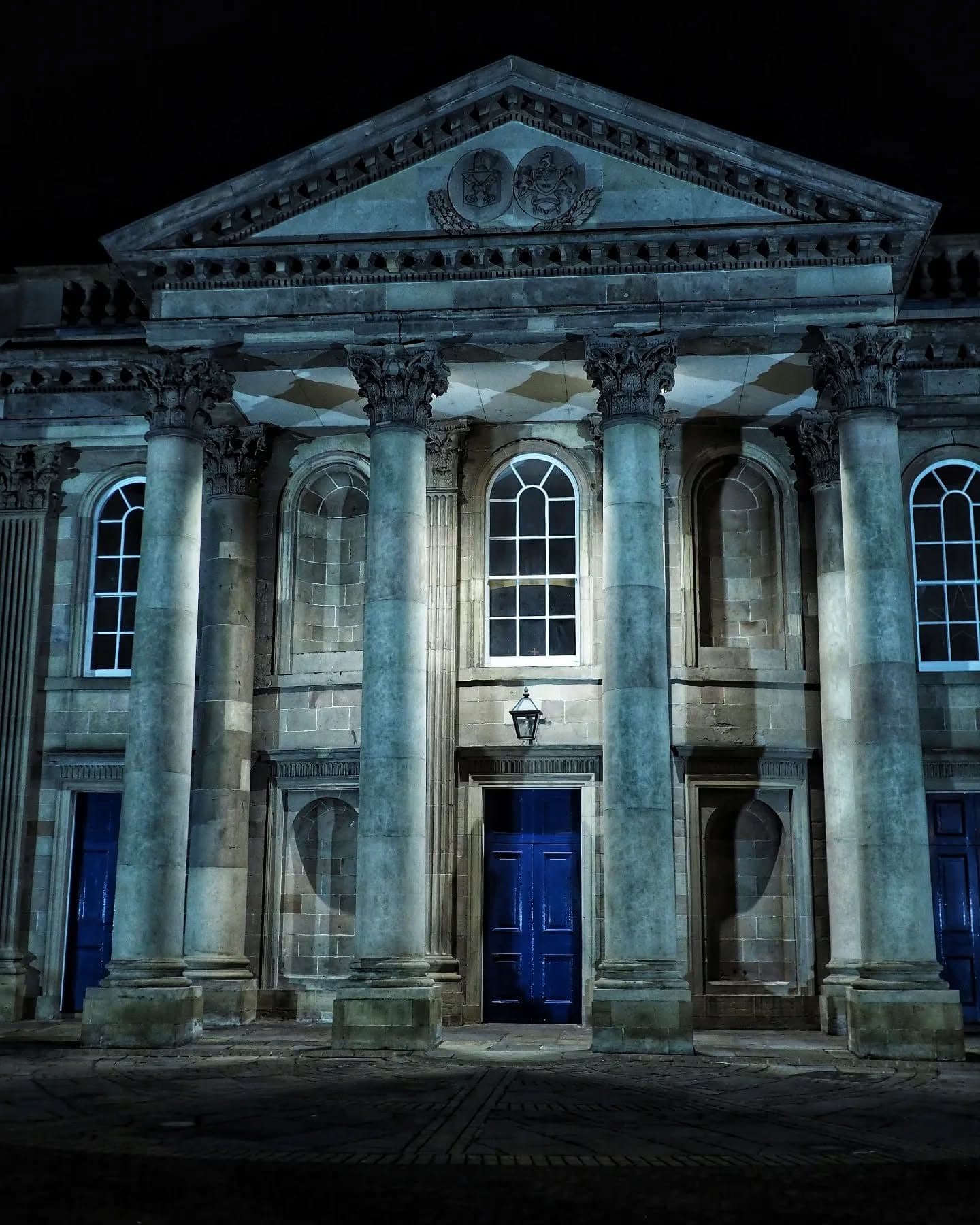
The most arresting feature of St George’s is its great Corinthian portico, with four fluted columns supporting a sculpted pediment. It was originally designed for Ballyscullion House, the extraordinary domed villa built in the 1780s by Frederick Hervey, Earl-Bishop of Derry. When that house was dismantled, the portico was rescued, brought to Belfast, and grafted onto the new parish church — a piece of Enlightenment grandeur given a second ecclesiastical life.
A Living Parish
St George’s today is what it has always been: a working parish church. Daily prayer, weekly choral worship, occasional offices of baptism, marriage, and burial; concerts and lectures; the slow patient work of welcoming whoever comes through the door. Across seven centuries of worship on this site, the door remains open.